
How do different grassroots communities attribute the causes of water contamination in Mindanao? Environmental organizations have identified the pollution of rivers and streams via pesticides, fertilizer run-off, siltation, and farm material waste as a matter of concern particularly in areas near plantations. Identifying the point sources of the problem are complex. On the one hand, industrial agriculture plays an outsized role. On the other hand, such an abstract category as the “plantation” does little to illuminate which actors, groups, and institutions, exactly, participate in these activities, and why.
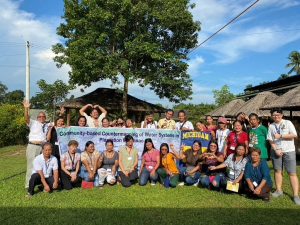
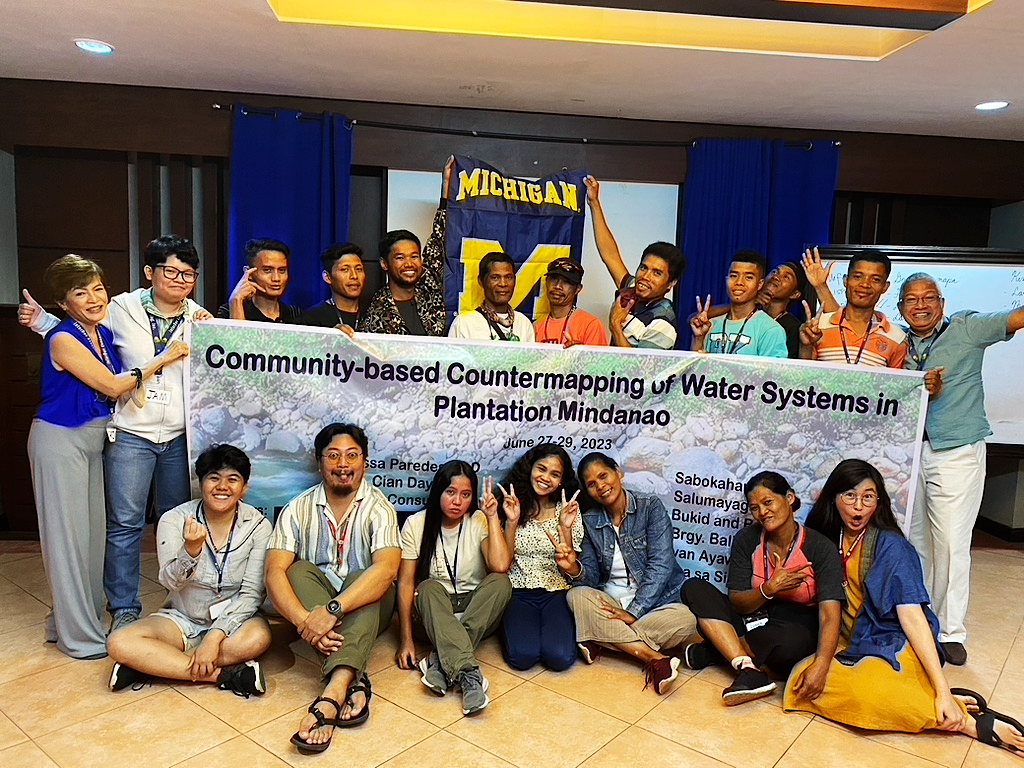
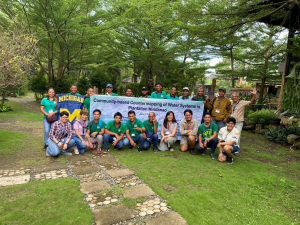 This workshop maintains four aims: (1) to document local perspectives on the point sources of water contamination in areas near industrial plantations; (2) to lay out their understanding of the spatial extent of contamination from their immediate areas to connected regions; (3) to identify which individuals/groups/institutions should be held accountable for these developments, and (4) to identify and acknowledge the local ways, if any, that grassroots actors are responding to the effects of contamination and engaging in the protection of waterways around them.
The workshop adopts “countermapping” methodologies to enable community actors to tell their stories with the help of a powerful visual format. Different groups representing the multiple stakeholders of the area–Indigenous Peoples, NGO workers, and residents of the plantation peripheries–will be invited to participate in independent workshop sessions, where they will be guided as they produce their maps. Comparing the outcomes within and among groups will help illuminate possible sources of misunderstanding and expand the ways Mindanawons think about their shared ecological fate.
Participants:
- Sabokahan Youth
- Salumayag Youth
- Bantay Bukid and Bantayo Aweg
- Balingaeng
- Mamamayan Ayaw sa Aerial Spray
- Mag-uuma sa Sirib Association
Hosted by Alyssa Paredes, Cian Dayrit, and InterDev Consulting, Inc.
Sponsored by: